
Guide 3 of 10
How to compare two white paint samples in your own room
Put two dried, labelled samples beside the finish you’re keeping. Compare them from the same seat in daylight and with your usual evening lights.
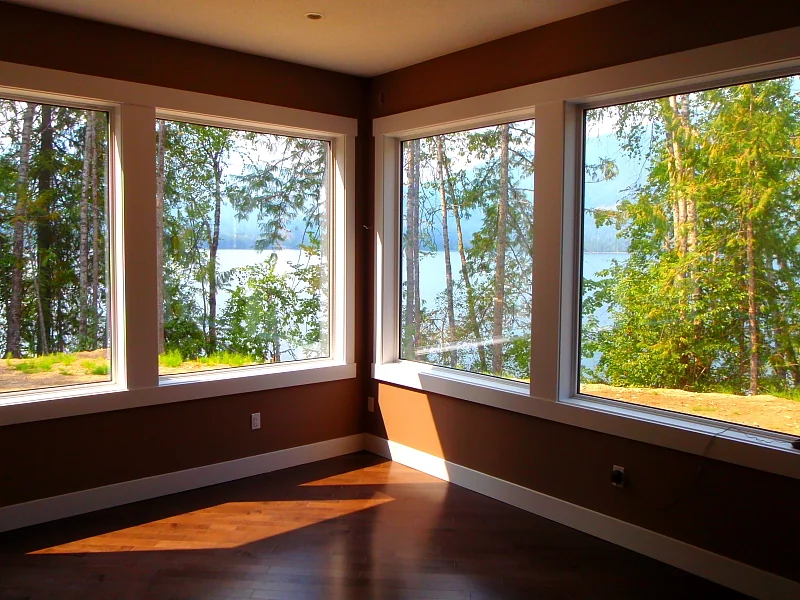
Two white chips can look almost identical under a paint-store light. Take them home and one suddenly looks cream beside your cabinet door, while the other makes the existing trim look yellow. The useful comparison is between each sample and the things you’re keeping in this room. Trying to find the whitest chip in the fan deck won’t settle it.
Give each sample a fair spot
Use the Colour Design Studio to narrow the choices to two, then get physical samples. Write the maker, colour name and code on the back of each board. Follow the sample product directions for a covered, dry finish. Boards let you view both choices on the same wall and move them later. A board on your desk catches the overhead light differently from one standing against the wall.
Stand both beside the same fixed finish, perhaps the kitchen cabinet face or the trim that runs into the adjoining room. Look at them from your normal seat. Swap their positions. If your preference always follows the spot closest to the window, you’ve learned something about the room before ordering any wall paint.
Give the evening view a vote
Picture an example kitchen with a wood floor, white cabinet fronts and warm lamps over the island. A family might like sample A in afternoon light but find the cabinet and wall blend together over dinner. Sample B might hold the little bit of contrast they wanted. Another family could quite reasonably prefer the quieter first choice. Write a sentence about why one works for you.
Repeat the comparison in the dimmest corner you regularly see. If the room opens into a hall, walk in from there as well. The open-plan kitchen in our archive shows why a colour choice can be visible from two rooms at once.
Record the surface as well as the colour
If the walls change and the trim stays, mark that on the selected board. Ask the painter to confirm the product and sheen for the finished wall. A sample establishes your colour preference, while the final coating and lighting affect what the finished room looks like. Keep the board and its label until the colour is approved on site.