
Guide 8 of 10
Where should council put an exterior paint colour sample?
Choose a sample location that shows both a typical wall and its neighbouring fixed finishes. Review it up close and from the place residents usually see the building.
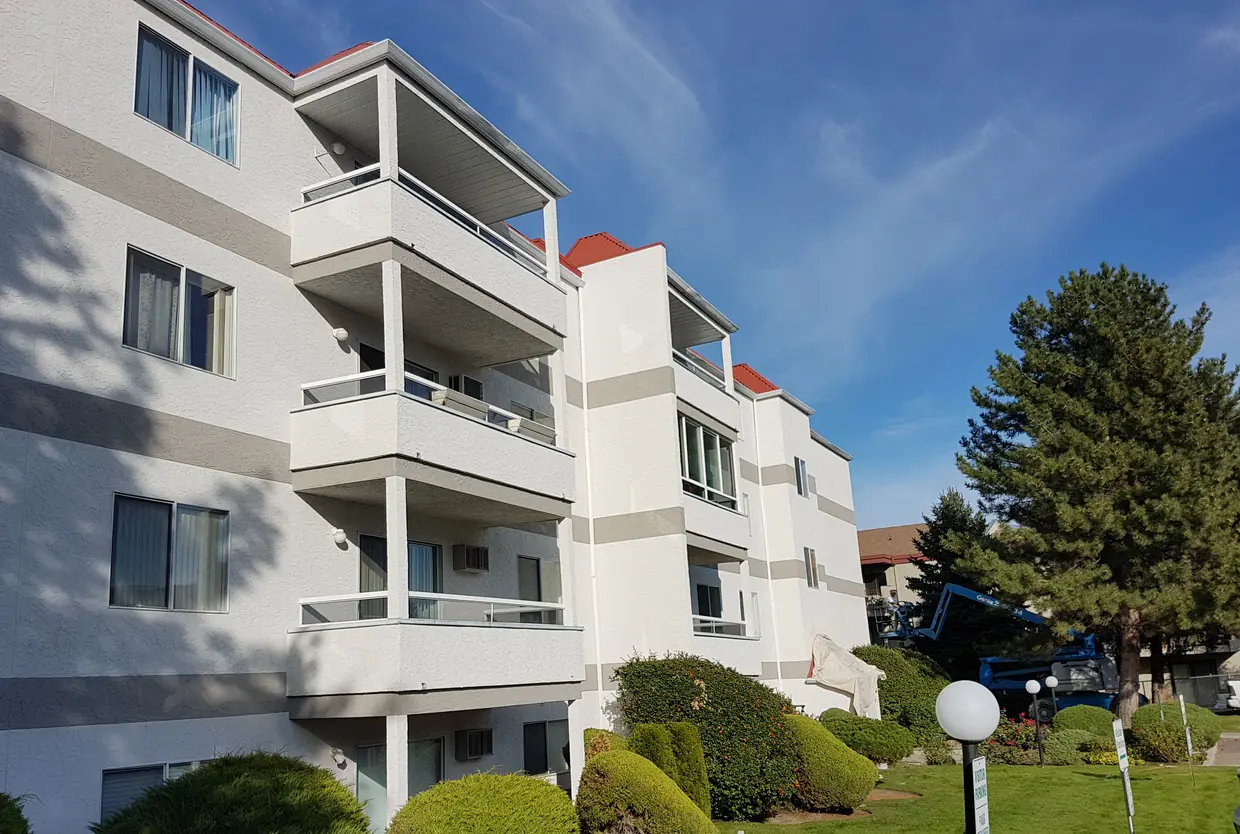
Choose a representative bay that council can actually visit. A painted board in a meeting room can narrow a shortlist, but it cannot show how a wall reads beside the building’s brick, balcony recesses or permanent window frames. Find a spot that includes the relationships council is deciding about before ordering a broader sample.
Decide which question the sample must settle
Council may already like the main wall colour and be unsure about the narrow band between floors. In that case, place or arrange the sample so people can see the two colours together. If an end wall faces a different direction from the courtyard, note the light difference and decide whether a second sample there is warranted. Ask the painter to confirm how and where a sample can be applied and when it is ready to assess.
Stand in two places
Look from a normal close-up position, then step back to the pathway or street where the full elevation is visible. Check what the proposed finish does beside fixed brick, roofing, glazing and existing rail colours. Photograph the sample location as a record. Make the colour decision from the physical sample under the building’s ordinary light, since screens and phone cameras can shift what people think they saw.
The Ellis Court gallery is a useful example of the distinction between a complete façade and its individual parts. Alternating bays and recessed balconies change the way the colours sit beside one another. Label the particular wall, column or fascia approved for each selection. A colour rendering can show intent while leaving the scope for that piece unresolved.
Sign off the combination
A practical record could say, “Courtyard sample bay, wall and column approved together. Existing window finish stays. Front balcony band still awaiting separate approval.” Add the product, colour code, sheen, date and the building’s authorized contact. The Colour Design Studio can help prepare the shortlist. The dated site record tells the crew which of those choices council actually accepted.